I’m drawn to the human side of computational systems, especially how people use data and technology to navigate markets and make decisions. At the MIT Media Lab, I explored this through randomized experiments and field studies on how AI influences human behavior. At the California ISO, I approached it from a different angle, building test automation for the systems that power California’s wholesale electricity market.
B.S. in Computer Science, Economics & Data Science (6-14); B.S. in Mathematics (18) · GPA 4.7/5.0
Coursework: Game Theory, Microeconomic Theory & Public Policy, Machine Learning, Probability & Random Variables, Optimization Methods for Business Analytics, Algorithms, Linear Algebra & Optimization
Built end-to-end validation workflows for wholesale energy market systems, testing real-time bids, dispatch outputs, transaction processing and grid-reliability constraints.
Wrote Python and Selenium regression suites in CI/CD pipelines to automate validation of market applications, energy transaction APIs and changing business logic.
Isolated data and logic defects with engineers before production deployment, using Jira and test evidence.
Ran a randomized study (N = 128) testing whether human and LLM-as-judge ratings of AI suggestions predict whether people use them, using TF-IDF and sentence-embedding similarity. Each rating captured a distinct behavioral signal.
Built a full-stack voice journaling system with speech-to-text and LLM-generated counterfactual prompts, and ran a 15-day mixed-methods field study published at ACM CHI 2026.
Built pandas and NumPy pipelines for longitudinal behavioral data and analyzed conditions with mixed-effects models.
Michelle Kim, Daniel Low, David Lafond, Eugene Shim, Michelle Han, Mohanad Kandil, Chenyu Zhang, Theo Kitsberg, Chelsea Boccagno, Paul Pu Liang, Pattie Maes. ACM CHI 2026.
Python Markov-chain engine that computes live match-win probabilities from point-level serve and return rates, using exact dynamic programming over the full score space.
Trains ratings across 102,077 ATP and WTA matches in a leakage-free chronological replay, and benchmarks fair values against devigged closing prices on about 98,000 matches.
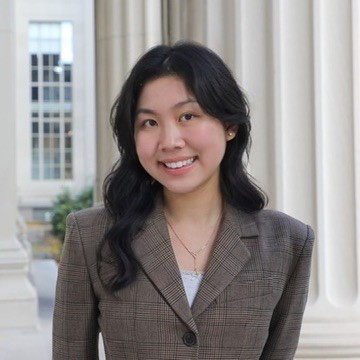
I study computation, economics and math at MIT. I’m drawn to the human side of computational systems, particularly how people use data and technology to navigate markets and make decisions.
Pick a charm
About
The short version
Hi, I’m Michelle! I grew up in Sacramento, and at MIT you’ll find me in the lab, volunteering with SWE and Women in EECS, on the tennis court or behind the Latte Lab counter.
I’m studying Computer Science, Economics and Data Science (Course 6-14) and Mathematics (Course 18) at MIT.
At the MIT Media Lab I study how AI-supported systems influence the way people reflect, make decisions and change their behavior, using randomized experiments and field studies. That work led to a paper at ACM SIGCHI 2026. This summer I was a software engineering intern at the California ISO, which runs most of California’s power grid and its wholesale electricity market.
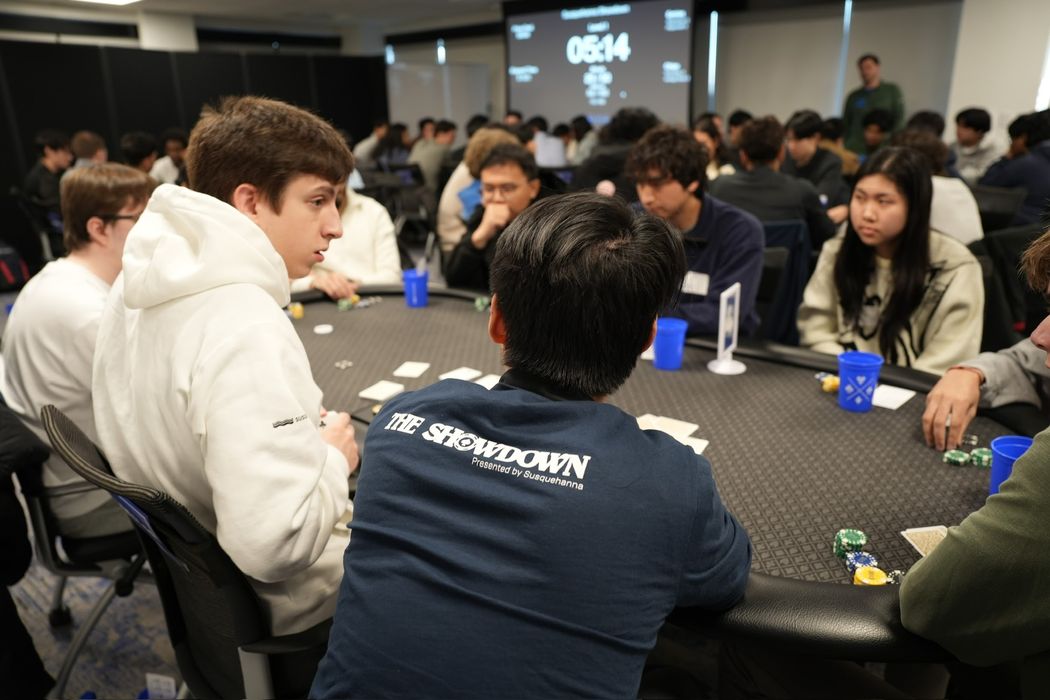
On campus I’m VP of Technology for the Society of Women Engineers and VP of Development for Women in EECS. I’m also on the Undergraduate Advisory Group for the Schwarzman College of Computing, in Sigma Kappa, and on the club tennis team. Off campus I’m usually at a poker table or browsing secondhand designer listings.
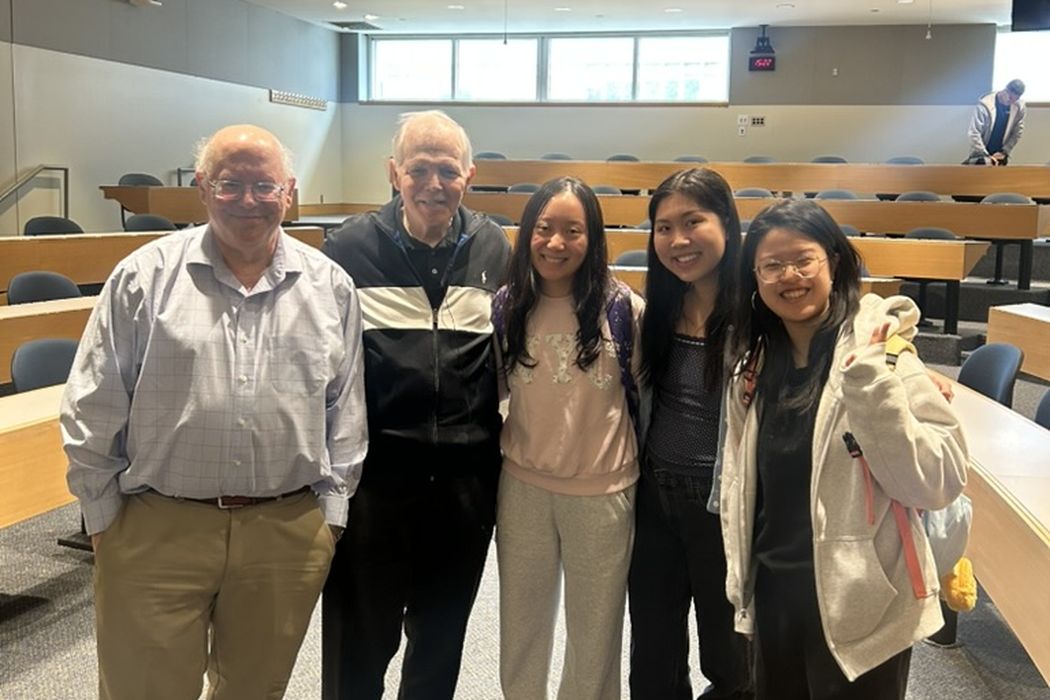
May 2026 · MITWith my amazing 15.053 professors, Prof. Orlin and Prof. Magnanti
At the MIT Media Lab, working with Paul Pu Liang and Pattie Maes, I helped build a voice journaling system that turns spoken entries into counterfactual reflections and personalized action plans. We tested it in a 15-day field study, and that work became our CHI 2026 paper.
I also ran a randomized study (N = 128) asking whether human ratings and LLM-as-judge ratings of AI-generated suggestions predict whether people actually use them. Each one picks up a different signal about behavior.
Actionable CounterfactualsRandomized study (N = 128) of human and LLM ratings of AI-generated suggestions · Multisensory Intelligence Group, MIT Media Lab
MIT Sports Lab, advised by Prof. Anette Hosoi · Aug 2026 to now
A Python Markov-chain engine that computes live match-win probabilities from point-level serve and return rates, using exact dynamic programming over every possible score.
Serve and return ratings train across 102,077 ATP and WTA matches, replayed in date order so no future data leaks into a prediction. The model’s fair values are then benchmarked against bookmaker closing prices, with the margin removed, on about 98,000 matches.
US Open, Aug 2026: Coleman Wong serving to Tommy Paul in Louis Armstrong Stadium.
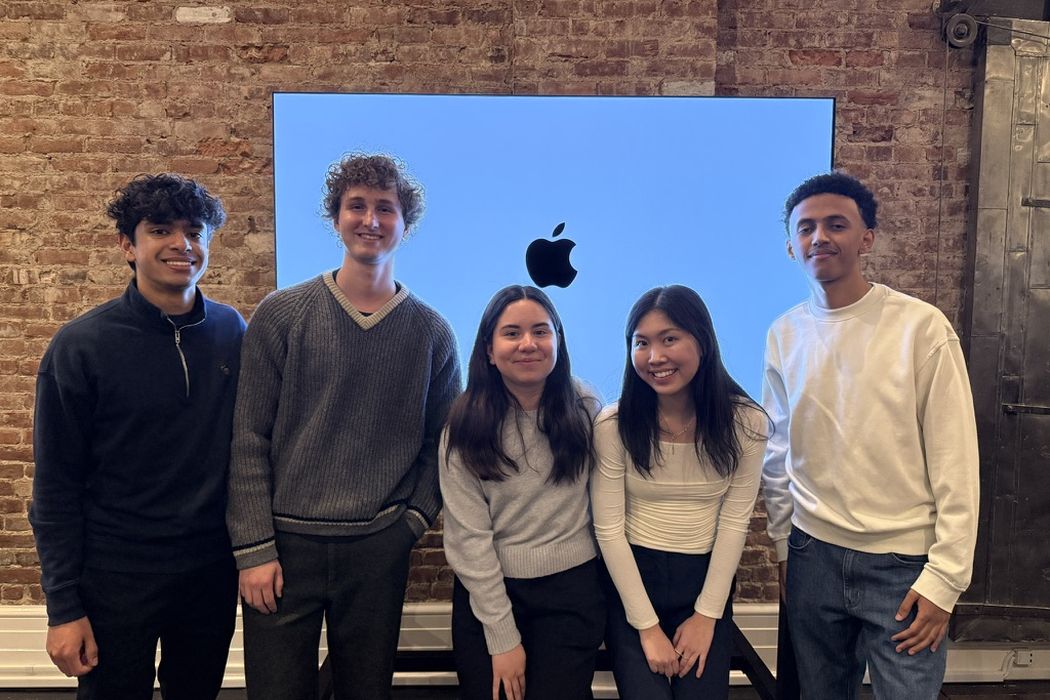
Apple’s Swift Student Challenge showcase, New York, Feb 2026.
A journaling app with seven formats: text, audio, video, sketching, uploads, quizzes and more. It uses AI to detect mood, read handwriting and analyze images so people can spot patterns in their reflections. It has more than 100 users on the App Store.
A full-stack voice journaling system. It transcribes spoken entries, generates counterfactual reflections with an LLM, and turns them into personalized action plans. We evaluated it in a 15-day study with people using it in their everyday lives.
Materials
Speech-to-text, LLMs, Python
WiEECS Opportunities Board
MIT Women in EECS
An opportunities board for MIT’s Women in EECS community, collecting openings in one place.
Made for
MIT Women in EECS
Cube
Personal portfolio
An earlier portfolio site that you navigate by turning a Rubik’s cube.
Built Python and Selenium regression suites, run in CI/CD, that validate California’s wholesale energy market systems: real-time bids, dispatch, transactions and grid-reliability constraints. Tracked down mismatches between expected and actual outputs with the engineering team before releases.